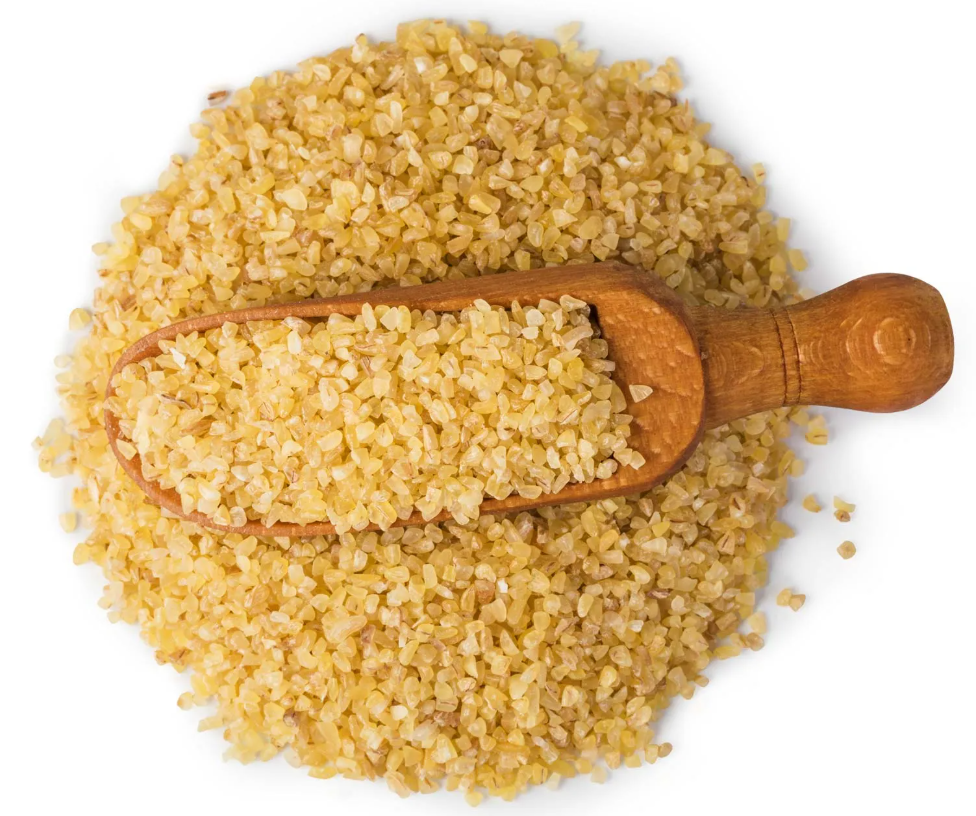

Bulgur wheat, a versatile and nutritious grain, has been a staple in Middle Eastern and Mediterranean cuisines for centuries. Made from cracked wheat berries that are parboiled, dried, and then cracked into various sizes, bulgur offers a nutty flavor, chewy texture, and a wealth of health benefits. This ancient grain has gained popularity worldwide due to its ease of preparation, delightful taste, and nutritional value.
A Brief History
Dating back to ancient times, bulgur wheat holds roots in the Middle East, particularly in regions like Turkey, Lebanon, and Syria. Its origins trace back to a process that allowed wheat to be stored longer without spoiling, contributing significantly to the sustenance of ancient civilizations. Bulgur's simplicity in preparation and its ability to withstand harsh climates made it a dietary staple in various cultures.
Preparation and Varieties
Bulgur wheat is available in different grinds or sizes, ranging from fine to coarse. The different grinds determine its various culinary uses. Fine bulgur, often labeled as #1, requires a shorter cooking time and is ideal for salads, tabbouleh, and stuffing. Coarser varieties, like #2 or #3, have a heartier texture and are perfect for pilafs, soups, or dishes where a more robust texture is desired.
Its preparation involves a simple process of soaking or boiling in water, requiring much less cooking time compared to other grains. This quick-cooking feature makes it a convenient choice for busy kitchens and individuals seeking nutritious, speedy meal options.
Nutritional Benefits
Bulgur wheat is a powerhouse of essential nutrients. It's a great source of fiber, particularly insoluble fiber, aiding in digestion and promoting a healthy gut. Additionally, it's rich in vitamins and minerals such as manganese, magnesium, iron, and B vitamins like niacin and folate.
Moreover, bulgur is a low-glycemic-index food, making it an excellent choice for individuals managing their blood sugar levels. Its high fiber content helps regulate blood sugar by slowing down digestion and the release of sugars into the bloodstream.
Health and Culinary Uses
The versatility of bulgur wheat makes it an excellent ingredient in various dishes. From traditional Middle Eastern salads like tabbouleh to hearty pilafs and soups, it complements a wide range of cuisines. Its slightly nutty flavor adds depth to dishes, while its chewy texture enhances the overall eating experience.
Incorporating bulgur into your diet can offer numerous health benefits. Its fiber content aids in weight management by promoting a feeling of fullness, potentially reducing overall calorie intake. Additionally, its nutrient profile supports heart health, lowers cholesterol levels, and may reduce the risk of chronic diseases like diabetes and certain cancers.
Bulgur wheat, with its rich history, nutritional benefits, and culinary versatility, stands as a valuable addition to a balanced diet. Its ease of preparation and compatibility with various cuisines make it a go-to ingredient for both novice and seasoned chefs. Whether you're seeking a nutritious alternative to rice, pasta, or quinoa, bulgur wheat shines as a flavorful and healthful choice that transcends cultural boundaries and continues to captivate taste buds worldwide.

![qwertyuiop]](https://veg-spoons.s3.ap-southeast-2.amazonaws.com/vegspoons-blogs/5/blog_1751872673.png)